Got a 3-Day Notice to Pay or Quit in California? Here’s What to Do
Introduction: Don’t Panic, Understand Your Rights
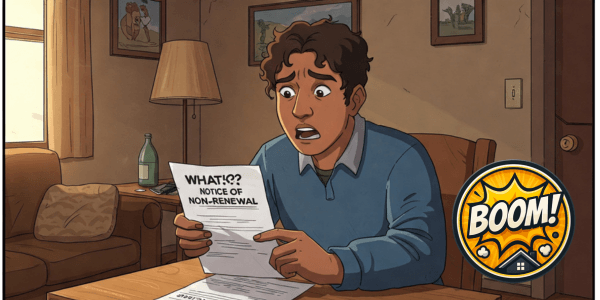
Receiving a 3-Day Notice to Pay or Quit in California is a serious and stressful event. It’s the first official step a landlord must take to evict a tenant for non-payment of rent, and seeing that paper on your door can be terrifying. This guide explains exactly how to respond to a 3-Day Notice to Pay or Quit in California, what your legal rights are, and the steps you must take within the tight deadline to protect your tenancy.
Understanding your rights and obligations during this three-day window is crucial. Acting quickly and correctly can be the difference between resolving the issue with your landlord or facing an unlawful detainer lawsuit. This guide will break down exactly what this notice means, your legal options for responding, and the step-by-step process to protect your tenancy.
What is a 3-Day Notice to Pay Rent or Quit?
A 3-Day Notice to Pay Rent or Quit is a formal legal document that a landlord must serve a tenant before they can file for eviction due to unpaid rent. For the notice to be legally valid in California, it must contain very specific information:
- The exact amount of rent due (it cannot include late fees or other charges).
- The full name, address, and phone number of the person to whom the rent should be paid.
- The hours and days when the tenant can pay the rent in person.
- A clear statement that the tenant must pay the rent within three days or move out (quit the rental unit).
If any of this information is incorrect or missing, the notice may be legally defective. The three-day countdown begins the day after the notice is served to you. Weekends and court holidays do not count as part of the three days.
Your Three Options After Receiving the Notice
Once you receive a valid 3-Day Notice, you have three primary courses of action. You must choose one and act before the end of the third day.
Option 1: Pay the Rent in Full
If you have the money and the amount listed on the notice is correct, the simplest option is to pay the full amount due within the three days.
- How to do it: Pay the landlord using the method specified in the notice. Always get a dated receipt as proof of payment.
- Result: Paying the rent in full “cures” the notice. Your landlord cannot proceed with the eviction. Your tenancy continues as normal.
Option 2: Move Out (Quit)
If you cannot pay the rent and do not wish to fight the eviction, you can choose to move out of the rental unit within the three days.
- How to do it: Remove all of your belongings and return the keys to the landlord.
- Result: You will still owe the back rent, and your landlord can sue you for it in a separate civil case. However, by moving out, you avoid having an eviction lawsuit (an unlawful detainer) filed against you, which is a serious black mark on your rental history.
Option 3: Do Not Pay and Do Not Move Out
If you believe the notice is legally invalid or that you have a legal reason for not paying rent, you can choose to stay and fight the eviction.
Result: If you do not pay or move out by the end of the third day, your landlord can file an unlawful detainer lawsuit against you in court. You will then be served with a Summons and Complaint, which you must respond to, typically within five days. This is a serious legal action, and it is highly recommended to seek legal advice if you choose this option.
Why you might choose this: Perhaps the landlord is demanding more rent than you owe, has failed to make critical repairs rendering the unit uninhabitable, or served the notice improperly.
What NOT to Do After Receiving a 3-Day Notice
- DO NOT Ignore It: Ignoring the notice is the worst thing you can do. If you do nothing, your landlord can file for eviction, and you may lose automatically by default judgment.
- DO NOT Pay a Partial Amount (Unless you have a written agreement): In California, if you pay a partial amount of the rent, your landlord can still proceed with the eviction. Only payment in full stops the process, unless you get a signed, written agreement from your landlord stating that they accept the partial payment and will not proceed with the eviction.
- DO NOT Withhold Rent Improperly: While there are legal reasons to withhold rent (like under the “repair and deduct” remedy), you must have followed a very specific legal process beforehand. You cannot simply decide not to pay because something is broken.
Conclusion: Act Quickly and Knowledgably
A 3-Day Notice to Pay or Quit in California is a time-sensitive legal document that requires immediate and informed action. By understanding what the notice means, evaluating your three main options, and avoiding common mistakes, you can navigate this stressful situation effectively. Whether you pay, move out, or prepare to fight, acting decisively within the three-day window is your best defense and the key to protecting your rights as a tenant